
31.01.2020.
Leaders are those who create movements, startups and organizations focused on providing quality education and achieving the SDG4 and other 16 UN Sustainable Development Goals.
But, who educates the leaders?
That was the question we asked ourselves when thinking about the SDG of the week. So we decided to bring you the perspective from WU Executive Academy.
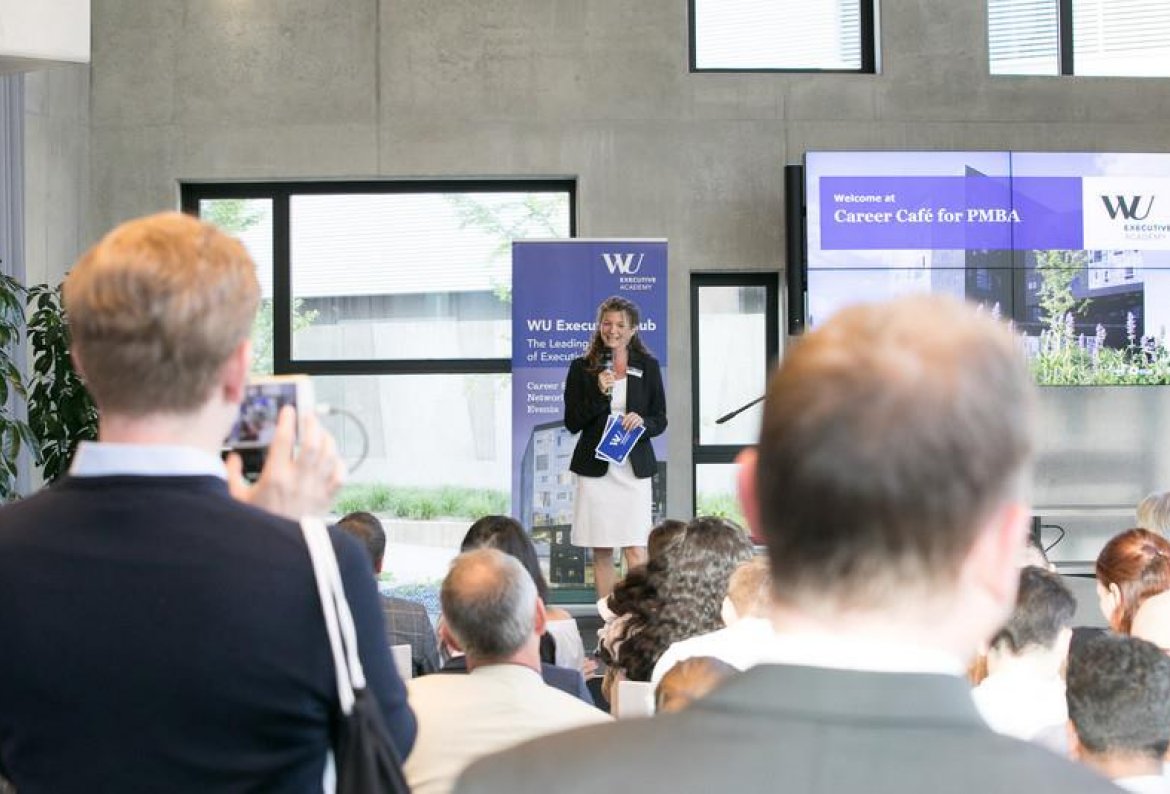
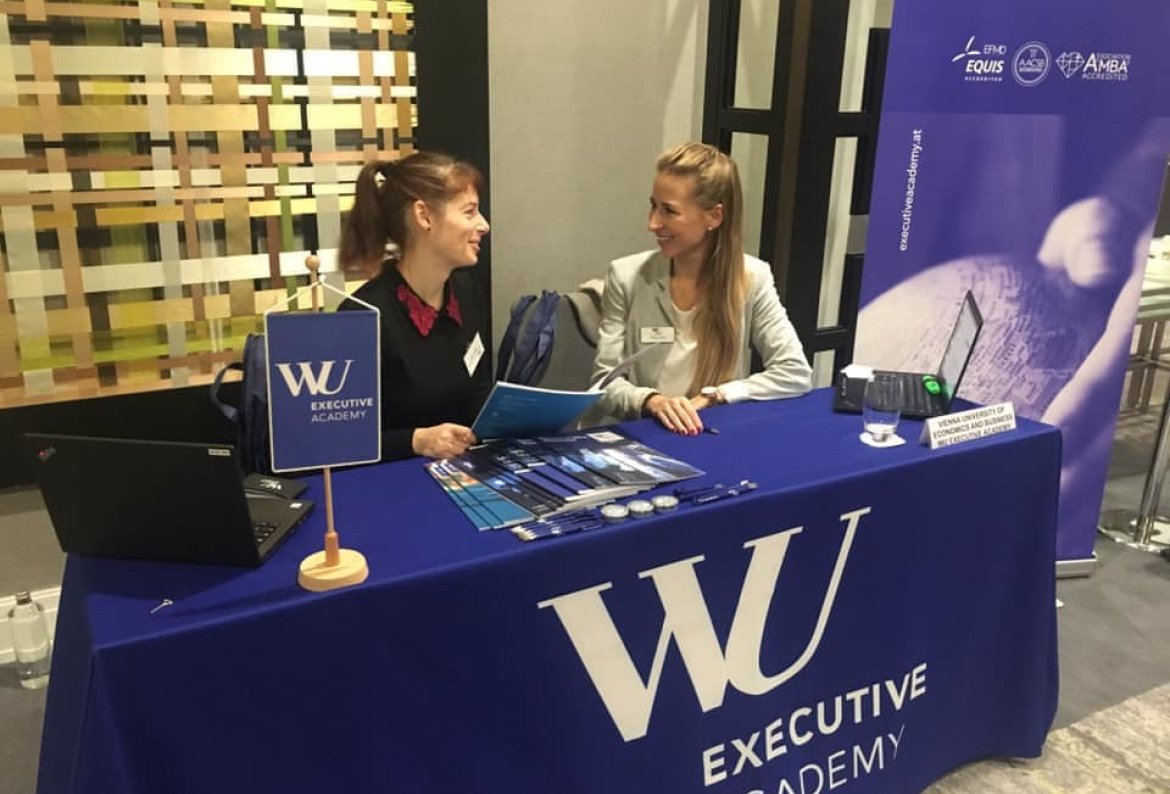
The WU Executive Academy of the Vienna University of Economics and Business (WU) brings more than 100 years of experience and an excellent reputation to the field of executive education and belongs to the leading business universities worldwide.
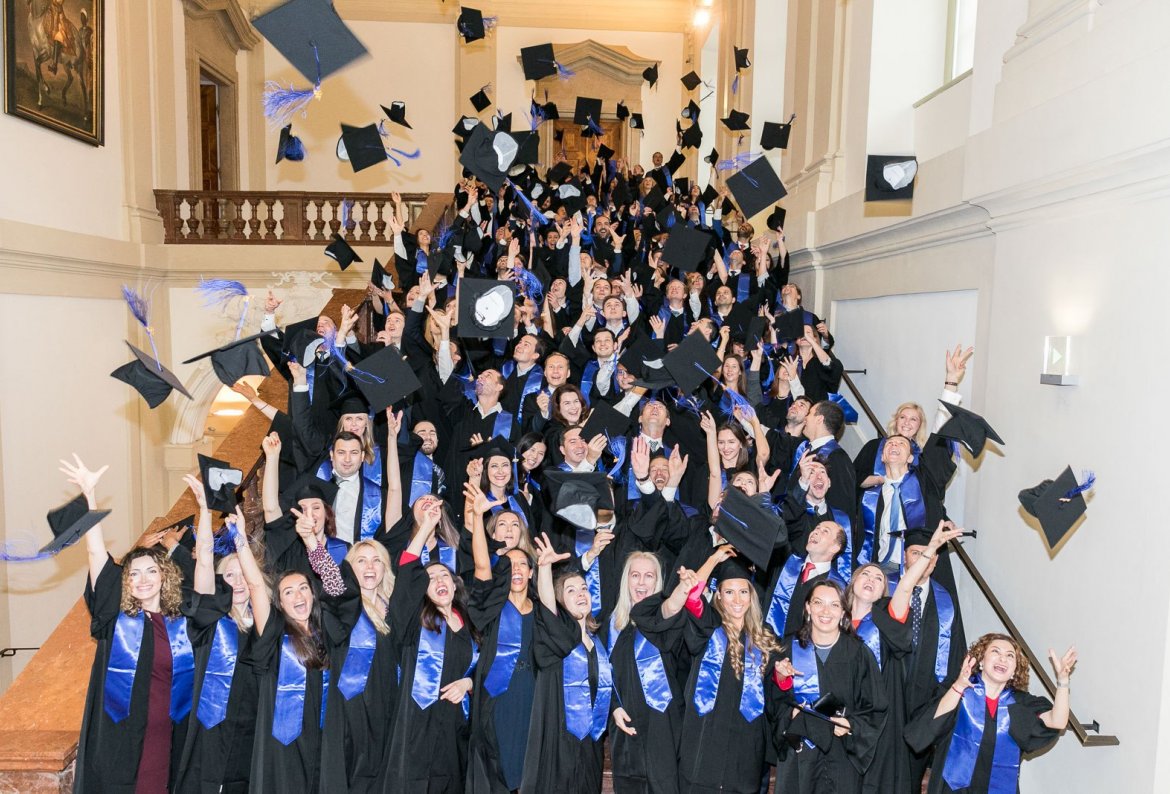
The executive education portfolio of the WU Executive Academy includes MBA and Master of Laws programs, university certificate programs, short programs and customized programs for companies. In recent years, it has become one of the leading providers in Europe.
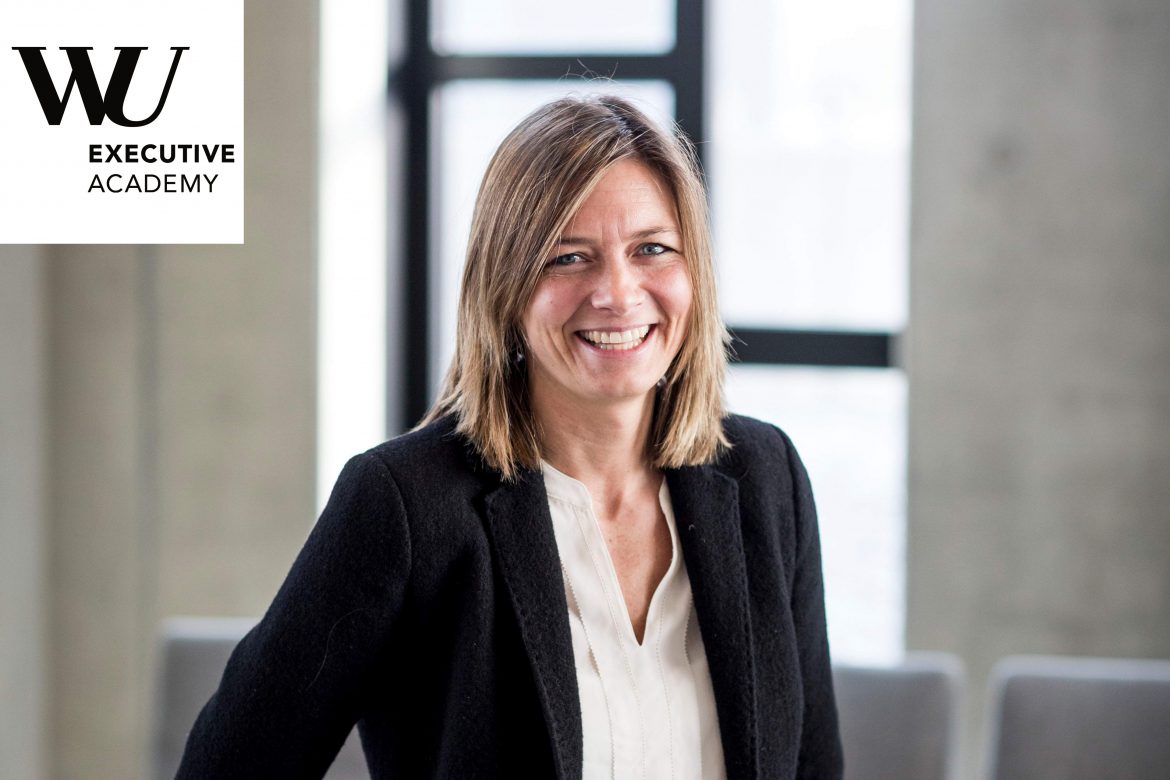
We had the pleasure to get the opinion on the current trends in the education field from Ms. Astrid Kleinhanns-Rollé, Managing Director at the WU Executive Academy. Here is what she had to say:
Responsible leadership education – for a more sustainable business world of the future
"In the public discussion about the 4th Sustainable Development Goal (SDG) of the UN, the focus often lies on ensuring inclusive and equitable quality education for everybody and the target of universal primary education. During the past 20 years, a lot has been achieved in this area: The total enrolment rate in developing regions reached over 90% in 2015, and the worldwide number of children out of school has dropped by almost half.
What people tend to forget in this debate is that the 4th SDG is not only devoted to quality education, but also to the topic of lifelong learning. This is exactly where a new approach to executive education and responsible leadership comes into play. This is also, where we, the WU Executive Academy, and many other business schools around the globe, believing in the power of a new generation of leaders, have an important role to play in the economy and the society as a whole."
From shareholders to stakeholders
"Responsible and values-based management that considers the needs of employees, customers, and the environment and that is profit-oriented in order to secure the enterprise’s continued existence while simultaneously caring about its impact on society is no longer only expected from NPOs. The world has become a global village. The shareholder-oriented business world has been turning into a global stakeholder-oriented society that also encompasses customers, suppliers, raw materials producers, and the environment. Human rights, as well as social and environmental aspects, have to be considered in management decisions – not least because this is increasingly demanded by customers. In order to avoid negative boomerang effects for society, responsible decision-making and sustainable actions have to become the main pillars of all business practices."
From old to new
"The transformation from profit-oriented to values-based is naturally anything but easy. It requires a comprehensive system change that does away with old structures: rigid hierarchies and management structures as well as incentives such as bonus payments for managers which reward short-term successes based on a small number of key figures. Also, cooperation styles have to change fundamentally, replacing competitive thinking with collaboration. Managers are re-redefining their roles: fewer and fewer of them are satisfied with quickly climbing the career ladder and acquiring status. Instead, they want their work to serve a greater purpose and be part of a positive change."
Change starts with the individual
"I interpret our responsibility as a business school against this backdrop: as values-based and responsible management have become indispensable for the business world of tomorrow, it is our job as executive education providers to equip our students with the tools essential for future leadership positions. After all, change starts with the individual. For this reason, our programs for executives at the WU Executive Academy are based on three pillars: profit, people, and the planet. We support participants in utilizing the impact of their management style on society in the best possible way: for the financial stability of their organization but also for employees, customers, and the environment. Together, we develop learning and career objectives that are perceived as meaningful and foster the students’ self-determination.
Our MBA programs include, for instance, Ethics & CSR modules, in which students reflect on social and ethical management and learn to check their personal values against those of their organization. In the Leadership Lab, which was designed at our business school, participants reflect on learning content and hone in on how their management style and career objectives can impact their personal lives, their organization, and society in a positive way. A separate exercise, for example, deals with how the individual key-learnings of our participants from each module actually pay in on the 17 SDGs of the UN and what contribution each individual can make. To this end, the great diversity of our student body is a great asset: people from more than 30 countries not only learn with but also from each other. This way, every individual develops a clear vision of the leadership of tomorrow over the course of time. And students also acquire a critical entrepreneurial spirit that helps them act in a self-determined way.
All of this contributes to fostering a personal mindset as a socially responsible manager among students – for a more sustainable business world of the future."
Astrid Kleinhanns-Rollé has been the Managing Director of the WU Executive Academy since its foundation in 2005. Over the years, she has successfully developed the WU Executive Academy into the leading provider of executive education in Europe. Previously, she worked as an advisor at the Boston Consulting Group in Vienna. She completed a doctorate program in Social Sciences, Economics and Business at the University of Linz and the MIT Sloan School of Management. During her studies, she also spent two years at Harvard University, doing research in the fields of online education and virtual teams.
We want to thank Ms. Kleinhanns-Rollé for taking the time to share her valuable view and opinion with us.
Join 1MillionStartups to be among like-minded solution makers working towards achieving the #SDG4.
Read more about the 1MillionStartups SDG Weekly campaign.

05.06.2023.

01.06.2023.

15.11.2022.

15.11.2021.

15.11.2020.

15.11.2019.


